
Advert
Advert – scroll down

-
-
- No I do not support the amendment 696
- Yes I do 54
- Not fully 44
-
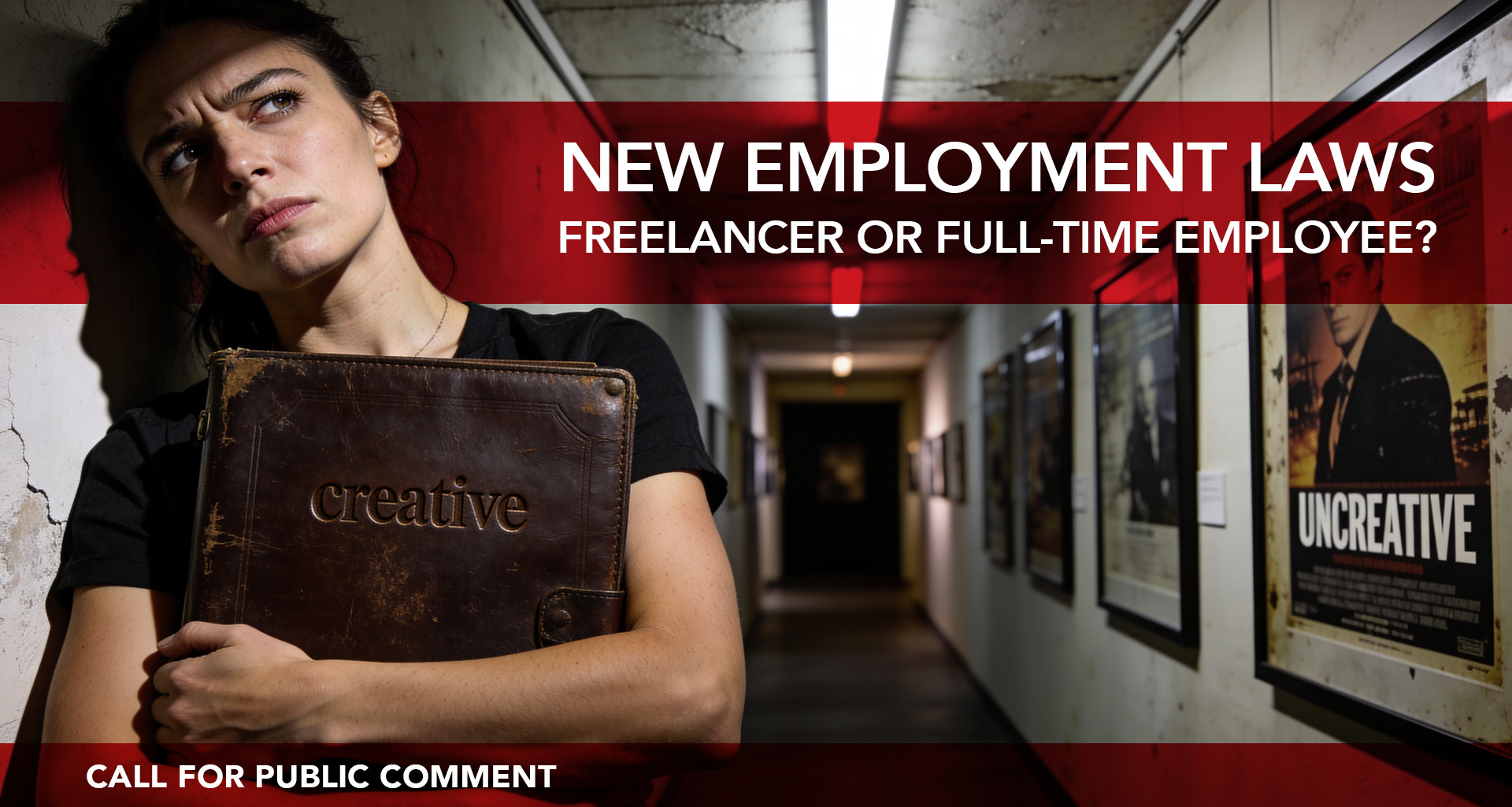
The Department of Employment and Labour has published its intention to reclassify all performers and crew in advertising, artistic, and cultural activities as standard “employees” under South African labour law.
While the stated goal is to protect vulnerable workers, industry professionals warn that applying a blanket, “one-size-fits-all” approach will destroy the flexible, project-based nature of the creative sector.
If implemented, all freelancers would fall under the Basic Conditions of Employment Act, the National Minimum Wage Act, and the Labour Relations Act. This could drastically increase production costs, remove vital tax deductions for independent contractors, and ultimately drive international film and advertising work out of South Africa.
click the link for more info, or scroll down to have your say
Have your say – shape the amendment. [CLOSED]

Talking points
Reclassifying independent contractors as employees means they will no longer be able to deduct crucial business expenses incurred to generate their income. This includes travel to auditions, agent commissions, wardrobe, self-tapes, and training—resulting in a material reduction in their net income.
Standard labour protections, such as regulated working hours and limits on overtime, do not protect short-form production workers; they simply cap what they can earn. Freelancers often maximise their income by working intensively over short periods across multiple productions.
Introducing heavy payroll administration and compliance burdens will drastically increase production costs. This makes the local industry less competitive and risks encouraging international productions to bypass South Africa entirely.
Many professionals intentionally choose to operate as independent contractors for the flexibility and the ability to work across multiple clients simultaneously. Forcing employee status removes this autonomy and harms small businesses and agencies.
While labour protections are appropriate for individuals working regular hours on long-form productions (like daily soap operas) , applying these same rules to professionals engaged for shoots lasting only a few hours or days does not reflect the operational reality of the sector.
Perspectives: What is the debate?
The Department of Employment and Labour argues that many performers and crew members operate under conditions that look exactly like standard employment—including fixed working hours, direct supervision, and payment for services rendered. However, because they are classified as “independent contractors,” they are excluded from basic labour protections. The proposed changes aim to guarantee these vulnerable workers minimum wage, regulated working hours, paid leave, and severance pay.
Creative professionals argue the legislation fails to recognize the difference between a freelancer doing a two-hour voice-over session and an actor on a five-year television contract. A blanket “employee” status will actually harm gig workers by capping their earning potential through strict overtime and working-hour limits. Furthermore, classifying creatives as employees means they will lose legitimate tax deductions for vital business expenses like agent commissions, travel, auditions, and wardrobe—resulting in a massive cut to their net income. Finally, the heavy compliance and payroll costs placed on production companies risk making South Africa uncompetitive globally.