
Advert
Advert – scroll down
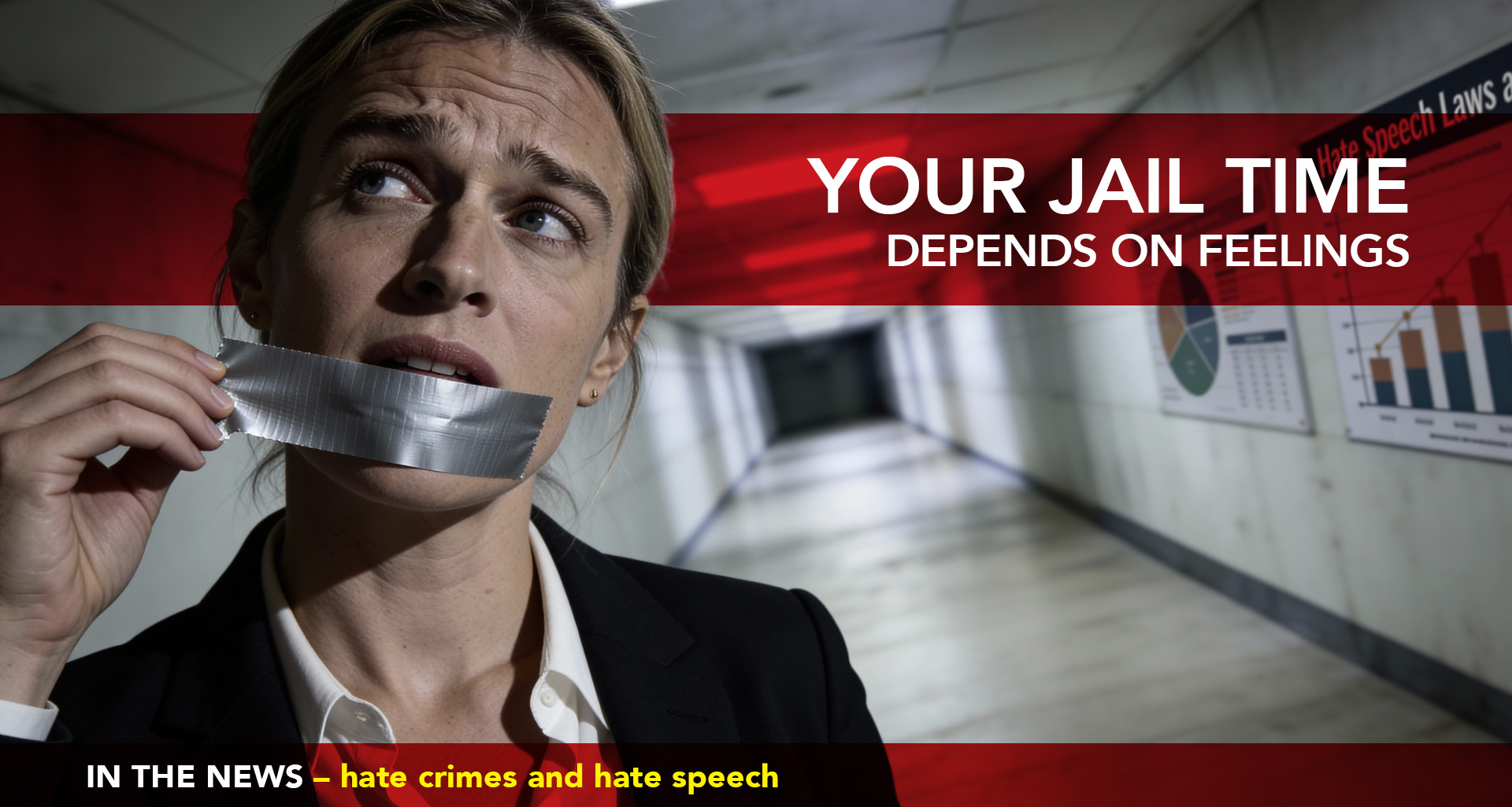
THE SENTENCING LOTTERY: WHY YOUR JAIL TIME MAY SOON DEPEND ON YOUR ACCUSER’S FEELINGS, NOT THE LAW
The Prevention and Combating of Hate Crimes and Hate Speech Act is now the law of the land. Whether you supported it or opposed it, that debate is over. The President has signed it.
But a law is just words on paper until the police and courts are told how to use it. That is happening right now. The Department of Justice has released the Draft Regulations for the Act, inviting public comment on the nuts and bolts of enforcement.
Buried in these technical instructions is a directive that should alarm every South African who believes in the constitutional principle of Equality before the Law. It creates what can only be described as a “Sentencing Lottery”—where your punishment is determined not by what you did, but by how emotionally resilient your accuser happens to be.
The new regulations compel prosecutors to submit a “Victim Impact Statement” (VIS) to the court in every single hate crime case. The purpose of this statement is explicit: to aggravate sentencing.
On the surface, listening to victims sounds noble. But in criminal law, justice is supposed to be blind. It acts on facts, intent, and actions. It asks: Did you break the law? Was it malicious?
The regulations shift this foundation. By mandating that the victim’s subjective emotional state be used to increase jail time, we are introducing a dangerous variable into the justice system: the fragility of the victim.
Consider how this plays out in the real world. Let’s look at two hypothetical scenarios involving the exact same “crime.”
Scenario A: Two motorists get into a heated argument in Johannesburg traffic. Driver A shouts a slur at Driver B based on his religion. It is ugly, offensive, and illegal under the new Act. Driver B, a hardened taxi operator who has heard it all before, shrugs it off. In his Victim Impact Statement, he writes: “I was annoyed, but I ignored him.” Result: Driver A gets a fine or a suspended sentence.
Scenario B: The exact same interaction happens in Cape Town. Driver X shouts the exact same slur at Driver Y. But Driver Y is deeply sensitive and currently going through a personal crisis. In her Victim Impact Statement, she writes: “I was emotionally shattered, I couldn’t work for weeks, and I feel unsafe in my own country.” Result: Driver X, facing a court mandated to “aggravate” the sentence based on this impact, could face three years in prison.
Two citizens. Identical actions. Identical intent. But vastly different punishments.
This discrepancy violates Section 9 of the Constitution: Equality before the law.
How can we claim equal protection when the severity of the law fluctuates based on the mood, personality, or resilience of the victim? A robust legal system punishes the act, not the reaction. If we allow sentencing to be dictated by subjective feelings, we incentivise exaggeration. We turn the courtroom into a theatre where the most dramatic Victim Impact Statement wins the harshest sentence.
The regulations go further. They instruct the police to record the “political, religious, or social” grounds of the accused—creating a state database of citizens’ leanings even before a conviction is secured. They also introduce “Form 3,” specifically designed to track the “distribution” of electronic communications. That means forwarding a WhatsApp message could land you in the same sentencing lottery as the person who wrote it.
The Department of Justice has asked for public comment on these regulations. This is not a re-run of the debate on whether “Hate Speech” should be a crime. That ship has sailed.
This is a debate on fairness. It is a debate on whether we want a justice system that is objective and predictable, or one that fluctuates based on feelings.
If we do not challenge the mandatory Victim Impact Statement now, we accept a legal system where your freedom depends less on the law, and more on the luck of who you offend.
The Draft Regulations are open for public comment until 28 January 2026 here