
Advert
Advert – scroll down
Public comments as delivered to the minister
Report
Live animal export by sea is fundamentally inhumane. The very nature of the practice ensures that suffering is an inevitable consequence. Once animals are loaded onto vessels, they are subjected to prolonged journeys marked by severe stress, motion sickness, physical injury, dehydration, and the constant threat of death.
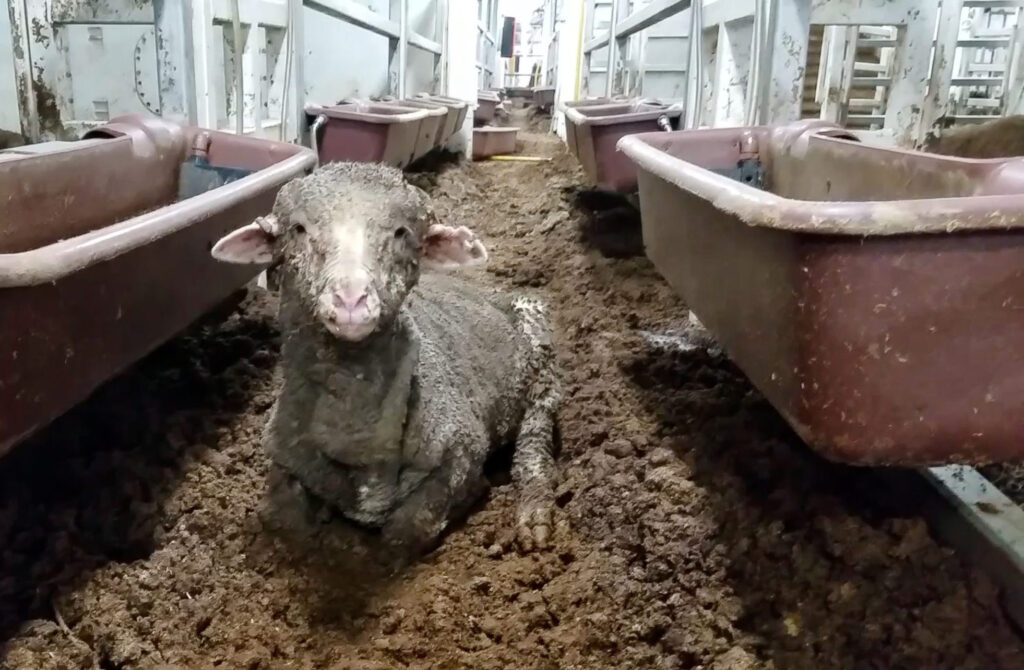
The environment on board is often horrific—animals are confined in overcrowded conditions with limited ventilation, standing in their own waste and exposed to dangerously high levels of ammonia.
Even before reaching the ship, many animals are transported over long distances while unfit to travel, enduring additional trauma. Once at sea, there is no independent oversight to ensure compliance with welfare standards. With only government-appointed monitors – who are not impartial – on board, any regulations in place become effectively unenforceable.
Tragically, the suffering doesn’t end when the journey does. In many of the destination countries, animals are subjected to brutal slaughter practices, often without stunning or in unregulated backyard operations, where South African welfare laws no longer apply.
The current system lacks credible oversight. By appointing its own monitors, the Department of Agriculture introduces a clear conflict of interest that undermines the credibility of any animal welfare claims.
Once animals leave South African waters, they are beyond the reach of our legal protections. This is particularly concerning given that many importing countries—such as Kuwait, Saudi Arabia, the UAE, and Mauritius—have animal welfare standards that fall well below those of South Africa.
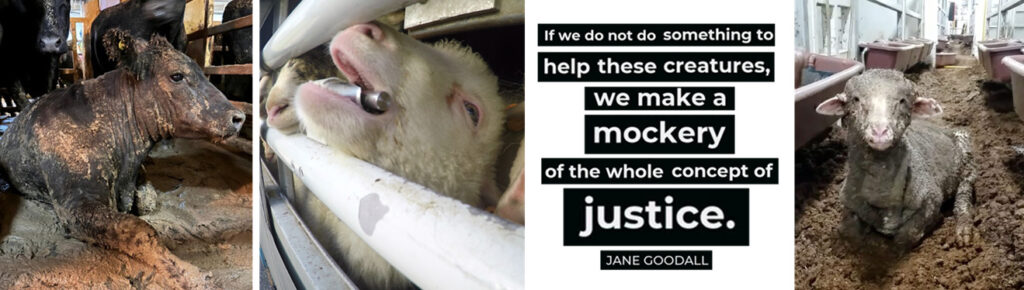
With no enforceable safeguards in place, animals are left completely vulnerable.
Live export by sea also poses serious risks to public health. The mass movement of animals across borders significantly heightens the risk of zoonotic disease transmission.

High-stress conditions, close confinement, and poor sanitation on board create an ideal breeding ground for outbreaks.
These risks are not just theoretical—global health authorities have repeatedly warned that such practices increase the likelihood of diseases that can spread from animals to humans, with potentially devastating consequences.
The live export trade represents a moral failure. It prioritises profit over the wellbeing of sentient beings, turning a blind eye to their suffering for the sake of economic gain.
As other countries—such as New Zealand, Brazil, Germany, the UK, and Australia—have already demonstrated, it is both possible and necessary to phase out or completely ban this cruel practice.
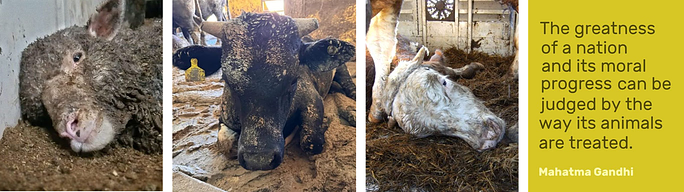
These nations are setting a clear moral and scientific precedent that South Africa has every reason to follow.
Despite claims that live export supports small-scale or emerging farmers, the reality is starkly different.
The vast majority of animals exported are owned by large, commercial farming operations. The narrative that the trade boosts rural development or spreads economic benefit is misleading.
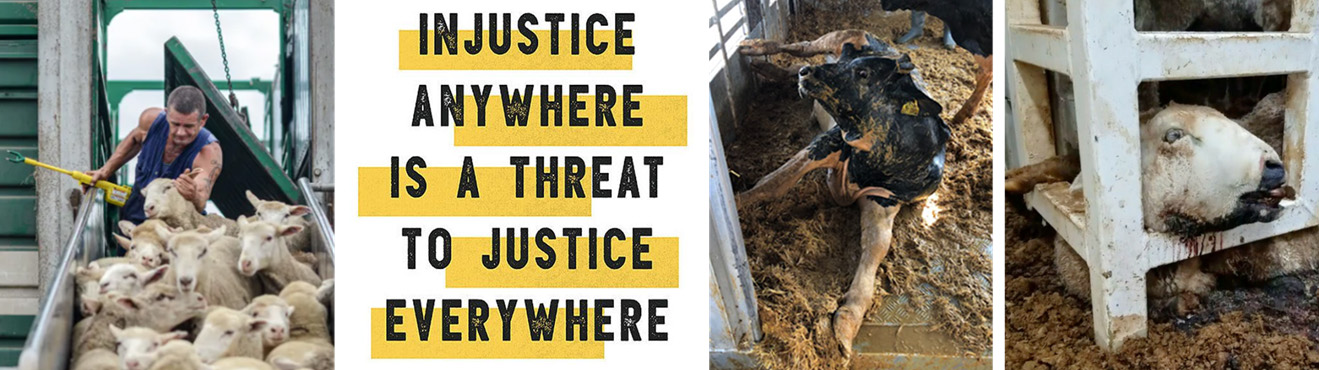
Moreover, South Africa’s continued participation in live animal export comes at a reputational cost, undermining the country’s credibility on animal welfare and ethical farming practices.
At its core, live animal export by sea is not a practice that can be fixed through regulation.
No matter how stringent the rules, the systemic cruelty inherent in the trade cannot be eliminated. Attempts to regulate the process serve only to legitimise what is fundamentally an unjust and unnecessary industry.
Rather than trying to reform the irredeemable, South Africa must move toward a complete and permanent ban.
Draft regulations
 Loading...

 Reload document
  Open in new tab
 Old guidelines
Loading...
In the News
-
- NSPCA — Export of Live Animals by Sea
- DA — DA condemns inhumane conditions on Al Kuwait live export vessel in Cape Town
- NSPCA — Ban Live Exports: International Awareness Day 2025
- The Mercury — FOUR PAWS calls for an urgent ban on live animal exports by sea in South Africa
- Marine Link — Livestock Carrier Delay Sparks Concern Over Continuing Trade
- Splash247 — Live animal export: False hopes on a dying fleet
- Hawke’s Bay Today — Minister says livestock export ban reversal should be law before next election
- Farmers Weekly — Live export of animals under fire
NSPCA South Africa Globally millions of farmed animals are transported over long distances every year. And even if there are no accidents, these journeys are still tragic. Animals exported may face extreme dehydration, exhaustion, hunger and death. Some collapse onto floors that are covered in faeces and urine and risk being trampled by their companions. Those that survive may then face unimaginably horrific slaughter.
Newzroom Afrika The National Council of SPCAs says it prohibits the live export of animals by sea. This comes after an export vessel docked at the Cape Town Harbour. The ship is in the process of loading feed and is carrying 19,000 cattle bound for Iraq from Brazil. The body says it has been in and out of the High Court on numerous occasions since 2019 fighting the battle against exporting animals by sea.
NSPCA South Africa The sights we witnessed were heartbreaking, a stark reminder of the suffering these animals endure during export. Our efforts offer a glimpse into a world rarely seen, where compassion battles against cruelty. As our cattle approach their destination at Umm Qasr Port, Iraq, our hearts remain committed to doing more for these voiceless animals. We fight for all animals, and this fight continues.
What it’s like onboard a live export ship | ABC News After years of negotiation, Landline’s Mark Bennett joined a live sheep shipment to Kuwait to see how Australian animal welfare regulations are being met.
STATEMENTS AND MEDIA RELEASES
Click on a logo to view.
Want to display your organisation’s statement? Click here.